PART 1: Military History
The Douro Becomes a Front
The Douro is a wine river first. For centuries before Napoleon’s armies ever reached it, the terraced slopes above the gorge produced the grapes that became Port, and the river itself carried the casks downstream to the lodges at Vila Nova de Gaia. That commerce, cemented by the Methuen Treaty of 1703, tied Porto to Britain more tightly than almost any other continental city. When the Peninsular War reached the Douro in 1809, it was not arriving in a neutral stretch of country. It was arriving in a place already built by Anglo-Portuguese trade, where the river, the quays, and the flat-bottomed rabelo boats used to ship wine were all waiting to be pulled into a different kind of story.
By early 1809, Napoleon had been trying to solve Portugal for more than a year and had not managed it. Junot’s invasion of 1807 had collapsed after Vimeiro and the Convention of Cintra in 1808. A British expeditionary force was back in the country, first under Sir John Moore (whose retreat ended at Corunna in January 1809), and then reinforced under Sir Arthur Wellesley, who landed at Lisbon on 22 April. Meanwhile, Marshal Nicolas Soult had been ordered to invade northern Portugal from Galicia, take Porto, and push south toward Lisbon. His corps crossed the border in March.
The country Soult entered was not quiet. Portuguese regular units were thin and poorly equipped, but the ordenanca levies (local militia raised parish by parish) had been mobilized, and the mood across the north was one of open hostility to the French. Soult’s army would spend most of its time in Portugal trying to hold ground it had already taken while its communications back to Galicia unraveled behind it. That context matters because the two battles fought at Porto in 1809 are not isolated events. They are the opening and closing acts of a single failed French occupation.


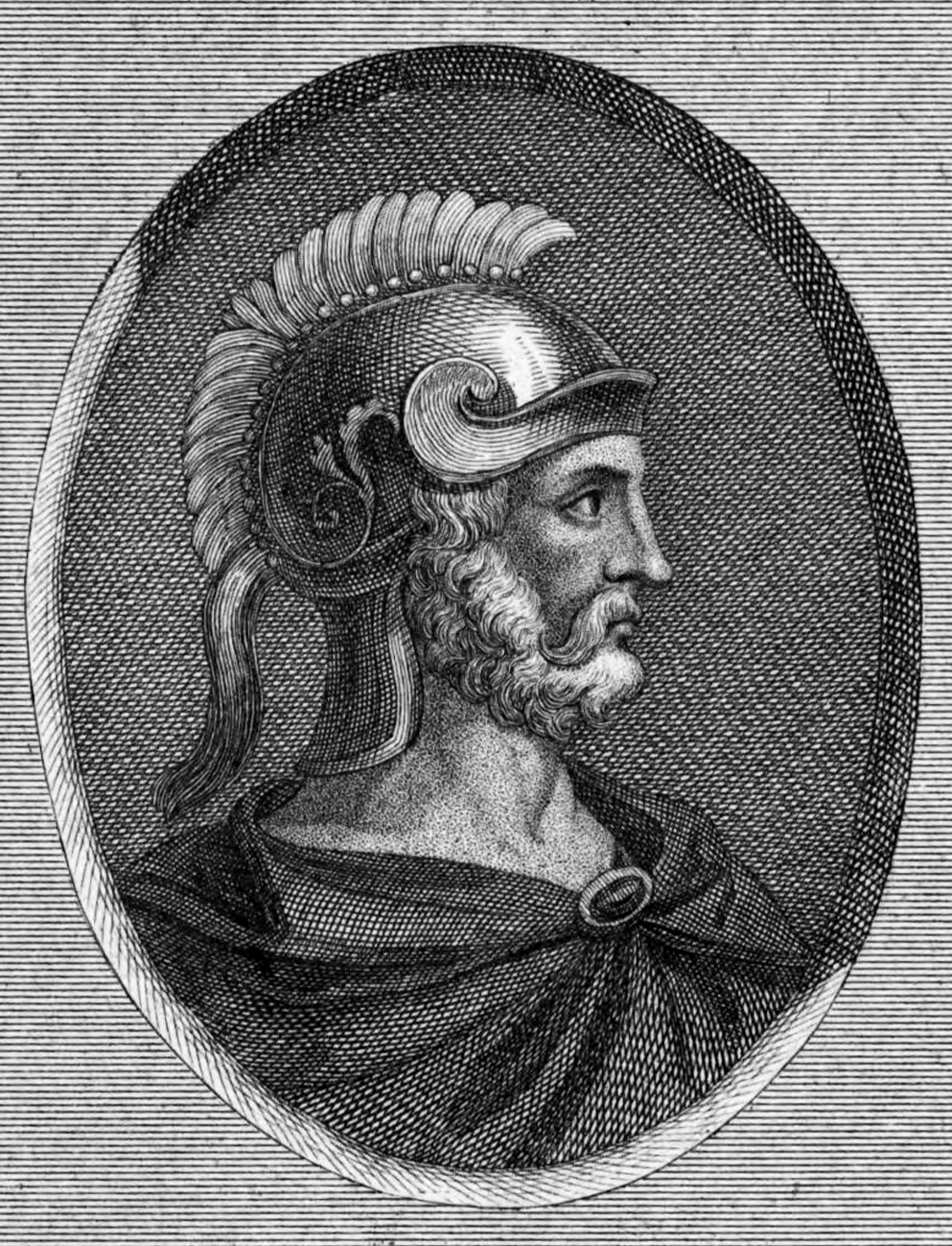
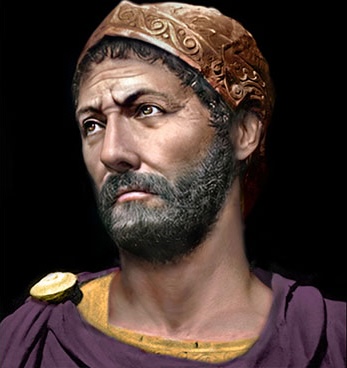
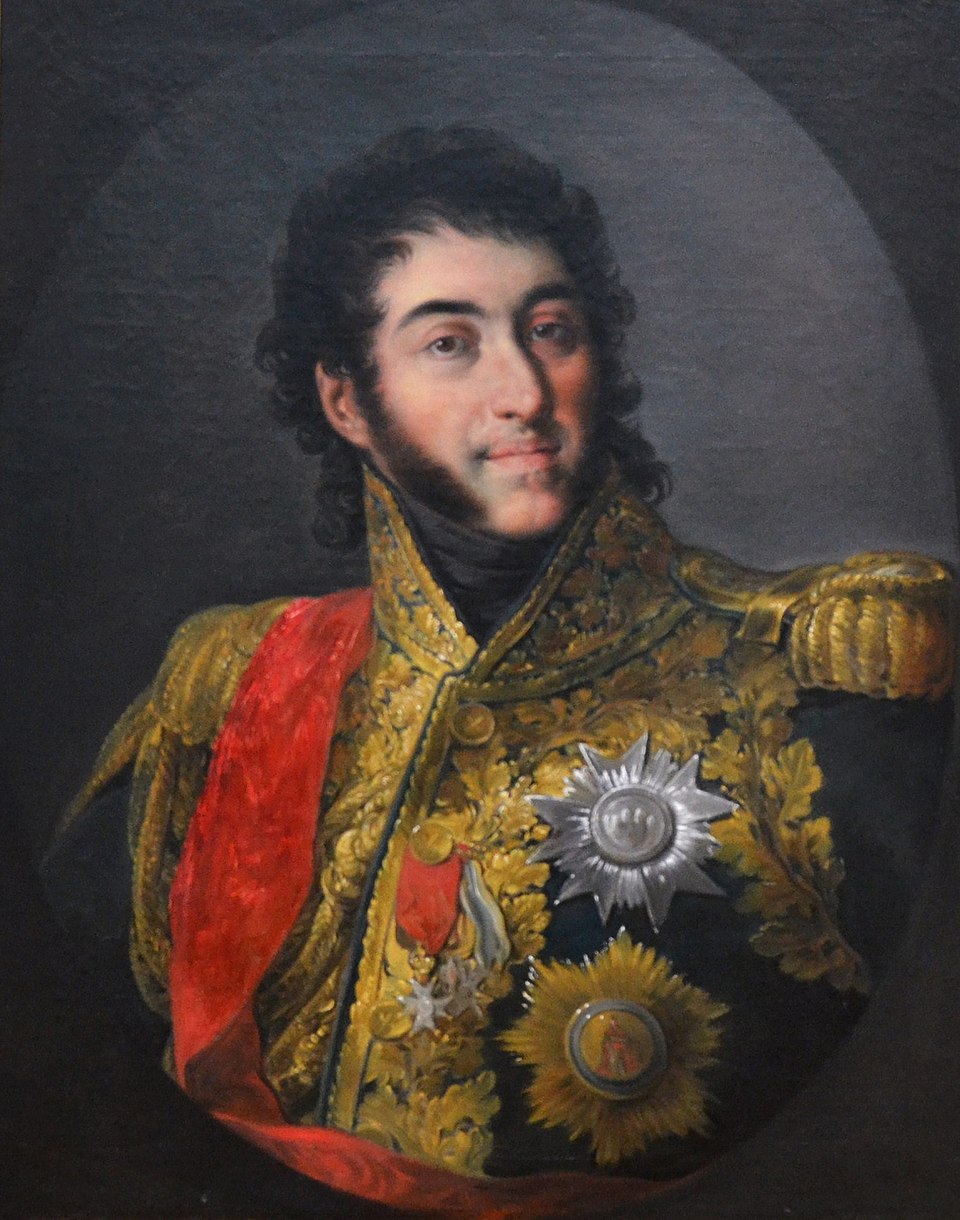
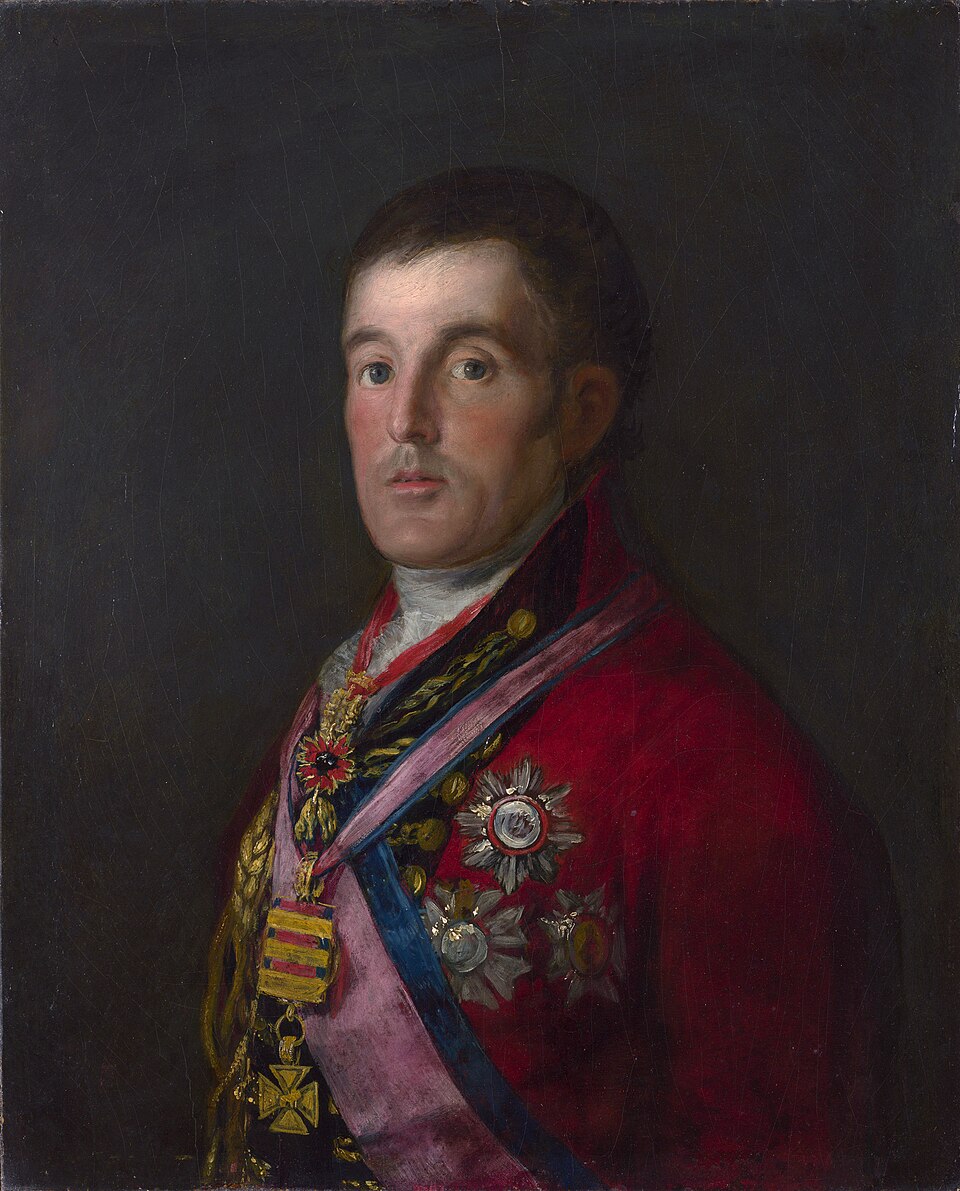
Marshal General Jean-de-Dieu Soult (L) and Arthur Wellesley, 1st Duke of Wellington (R)
The First Battle: 29 March 1809
Soult crossed from Galicia with his II Corps in early March, took the border fortress of Chaves on the 12th, and moved west toward Braga. At Braga on 20 March, he smashed a badly organized Portuguese force. The situation inside that force had already fallen apart a few days earlier: Lt. General Bernardim Freire de Andrade, the Portuguese commander, had been dragged out and murdered by a mob on 17 March that suspected him of treason for wanting to withdraw. Whatever chance the Portuguese had of a coordinated defense north of the Douro died with him.
That left Porto to organize its own resistance in the roughly ten days it had left. The effort was led by the Bishop of Porto, Antonio de Sao Jose de Castro, who was acting head of the regional junta. He had regular troops, militia, and a mass of citizen volunteers. He did not have time, discipline, or nearly enough serviceable weapons. The defenses thrown up on the hills north and east of the city were extensive on paper but thin where it counted.
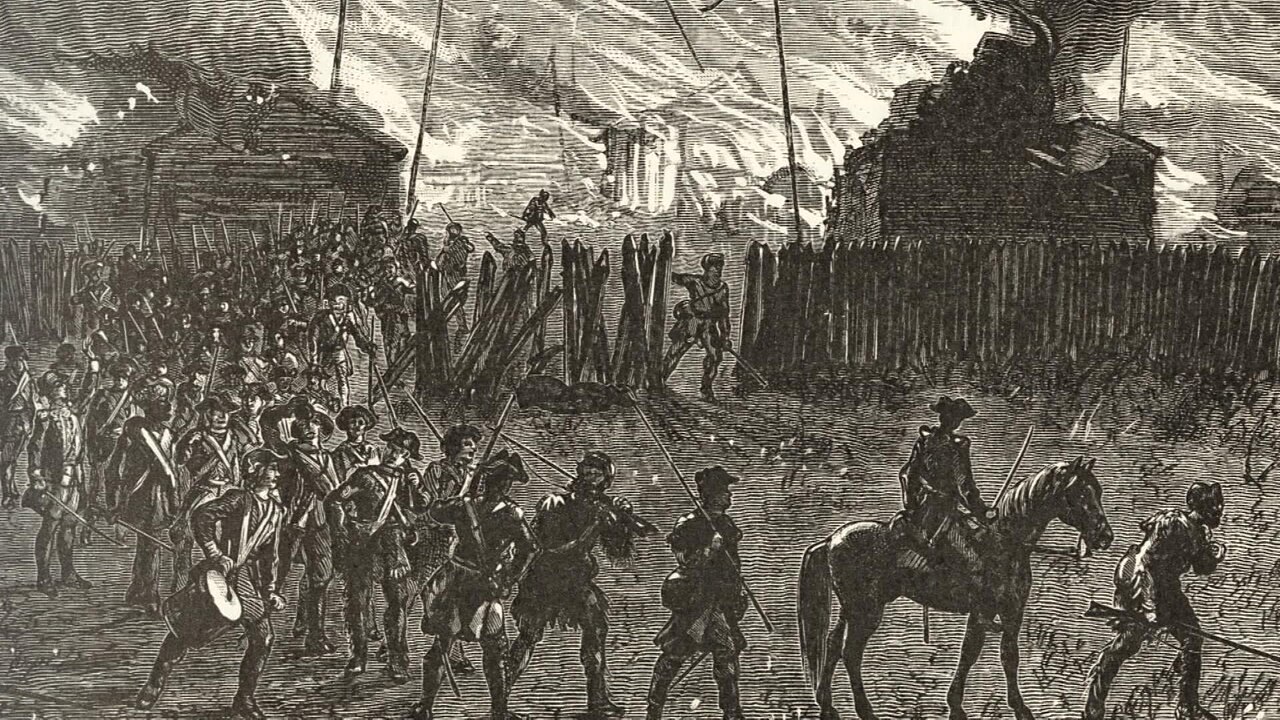
Soult attacked on the morning of 29 March. His columns went in against the weaker northern sectors, broke through, and pushed the defenders back toward the river. What happened next is the part of the story that Porto has never really stopped telling. The one escape route for the thousands of soldiers and civilians streaming south was the Ponte das Barcas, a pontoon bridge of boats lashed together across the Douro. Under the weight of the crowd (and, in some accounts, after a section of the bridge was cut or gave way), the structure collapsed. Contemporary estimates of the dead vary widely, but the lower end is in the low thousands and the higher end climbs past that. Civilians, soldiers, horses, and carts went into the water together. It was the worst single disaster the city suffered during the entire war.
By nightfall Soult held Porto, its arsenal, and the shipping in the harbor. Tactically, it was a clean victory. Strategically, it was the high-water mark of his campaign. He never got further south.

Interlude: A French Occupation Under Pressure
Soult spent April in Porto trying to consolidate. He repaired what the fighting had damaged, reorganized his supply lines, and tried to plan the push toward Lisbon. None of it worked well. The ordenancas kept cutting his communications north into Galicia, roving Portuguese forces under Francisco da Silveira pressured him in the Tamega valley, and the countryside between Porto and the border stayed hostile. Whatever Soult had imagined about using Porto as a springboard, the reality was a corps gradually being hemmed into a city it could not leave safely.
Wellesley made the choice for him. After landing at Lisbon on 22 April, Wellesley moved fast. He reorganized the British and Portuguese forces in the country, linked up with Marshal William Beresford (who had taken over the reconstruction of the Portuguese army), and marched north. By early May his advance guard was at the Douro, and on 10 and 11 May a sharp action at Grijo cleared French outposts south of the river. On the evening of 11 May, Wellesley’s army occupied the heights at Vila Nova de Gaia. The Douro itself separated him from Soult’s force in Porto on the opposite bank.
Soult expected an attempt to cross. He had ordered every boat on the river pulled to the north bank or destroyed, the pontoon bridge broken up, and French pickets posted along the likely crossing points. What he did not expect was that the crossing would happen in broad daylight, upstream of the city, using boats he had missed.

The Second Battle: 12 May 1809
This is the action the Douro is famous for.
Wellesley set up his headquarters at the Serra do Pilar monastery on the heights above Gaia. From there he could see straight across the river to the north bank of Porto. What his staff spotted through telescopes on the morning of 12 May was the Bishop’s Seminary, a large unfinished building on the far side, sitting on high ground but, crucially, empty. No French garrison. The seminary walls would make a defensible position the moment a battalion was inside them.
A staff officer named John Waters (a lieutenant colonel who spoke Portuguese and had been operating as an intelligence officer in the region) found the boats. Guided by local people (the story traditionally names a barber of Porto among them, and a prior of Amarante), Waters located three or four large wine barges moored unattended on the north bank, crossed the river in a small skiff, and brought them back. They were exactly the kind of flat-bottomed vessels the Port trade had been using for centuries to move casks down from the upper Douro. Now they were going to move British infantry.
Wellesley ordered the crossing. The 3rd Regiment of Foot, the Buffs, went first. A company at a time, they were rowed across the open river in broad daylight, landed at the base of the seminary, and climbed into the unfinished building. They barred the gates and began loopholing the walls. By the time French troops realized what was happening, there was a British battalion inside a stone building on their side of the Douro.
The French reaction was too slow. The first counterattacks from Porto were piecemeal, launched against a position that was already defensible and growing stronger with every barge-load. British and King’s German Legion troops continued to cross. Artillery on the Serra do Pilar heights raked the French assaults as they formed up. The Buffs, and then the 48th and 66th, held the seminary under three separate French attacks and inflicted serious losses, including mortal wounds on General Foy and General Mermet.
While that was happening at the seminary, a second crossing opened a few miles upstream at Avintes, where Major General John Murray took roughly 2,900 men across with the aim of cutting the road out of Porto to the east. Murray, for reasons that have never been entirely clear, failed to press the position aggressively, which let much of Soult’s force escape rather than being bagged on the road. It was a missed chance, but it did not save Soult.
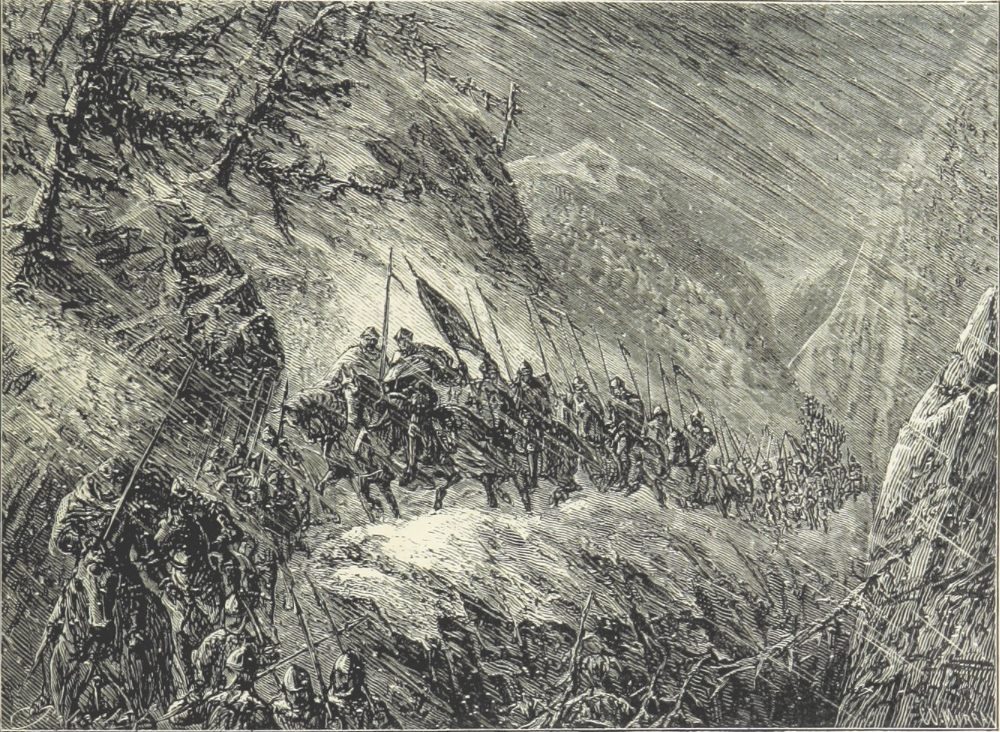
What saved Soult, at least partly, was the willingness to abandon everything and move. He ordered a withdrawal out of Porto to the northeast, in the direction of Amarante, with the intention of rejoining his line of retreat into Galicia. What followed was not an orderly retreat. It was a flight. Over the next two weeks, Soult’s corps crossed the northern mountains on foot, abandoning its guns, wagons, treasure, most of its wounded, and a great deal of its equipment. The men who finally straggled back into Spain at the end of May were stripped and starving. The corps survived as a fighting formation, but it had been thrown out of Portugal for good.

Waters, the Barber, the Barges
Wellesley dispatched Colonel John Waters, who spoke Portuguese, upstream by skiff to seek hidden crossings. Guided by locals (notably a barber), Waters found a small skiff and, more crucially, four large, unguarded barges moored on the north bank. He ferried them back across the river unseen.
Under Wellesley’s orders, these barges were sailed back and forth to carry infantry across the Douro—one regiment at a time. The 3rd Regiment (the Buffs) was first loaded and landed quietly at or near the seminary. The British then secured the seminary walls, closed its north gate, and began fortifying the position.
French troops awoke to find British redcoats entrenched behind their lines. They launched counterattacks from Porto, notably against the seminary, but were repulsed, suffering heavy losses and failing to dislodge the defenders.

What Porto Meant
The First Battle of Porto was a French tactical victory attached to a civilian catastrophe and to no strategic follow-through. The Second Battle of Porto was the opposite: a daylight river crossing against a prepared enemy, executed on improvised transport, that broke a Napoleonic marshal’s hold on the country in a single morning. Together they mark the end of the third and final serious French attempt to hold Portugal.
Wellesley was rewarded with a peerage after Talavera that August, taking the title Viscount Wellington. He did not become Duke of Wellington until 1814. Porto was the action that made the career, not the title.
PART 2: Wine Regions
Portugal’s Wine Classification System

Portugal sits inside the European Union’s Protected Designation of Origin framework, and its top-tier designation is the Denominacao de Origem Controlada, or DOC. The DOC system defines wines by geographic origin, permitted grape varieties, yield limits, and production and aging rules, and it is the direct counterpart of France’s AOC and Italy’s DOC/DOCG. Below the DOC sits Vinho Regional (VR), a broader geographic designation that allows more flexibility in grape choice and blending while still anchoring the wine to a defined place. Below that, the simple category Vinho covers table wine without geographic indication.
The two designations that matter for a Porto story are Douro DOC (covering the demarcated Douro Valley, for both still wines and the grapes that become fortified Port) and Porto DOC (covering the fortified wine itself, blended and aged in the lodges at Vila Nova de Gaia). Vinho Verde DOC, just north of the Douro, also sits in the background of the campaign, because the country Soult crossed on his way to Porto ran straight through it.
Douro: The River That Built Port
Terrain and Soil
The Douro DOC runs east from near Porto through a long narrow valley cut into the mountains of northern Portugal. The defining feature is schist: fractured, heat-retaining rock that forces vine roots deep and holds warmth into the growing season. The valley is divided into three broad subzones, running from west to east: Baixo Corgo (cooler and wetter, closer to Porto), Cima Corgo (the historic heart, around Pinhao), and Douro Superior (hottest and driest, near the Spanish border). Elevation ranges from the river itself up to terraces cut into slopes that in places approach sixty degrees. The terraces are the visible signature of the region, walls built and rebuilt over centuries to make viticulture possible on ground that should not support it.
At the western end of the valley, the terrain flattens as the Douro reaches the Atlantic. This is where Porto sits on the north bank and Vila Nova de Gaia on the south. The Port lodges of Gaia, which still age most of the wine shipped under the Porto DOC, face the old quays across the river, and those quays are where British troops landed on 12 May 1809.
Grapes Grown
- Reds: Touriga Nacional, Touriga Franca, Tinta Roriz (the Portuguese name for Tempranillo), Tinta Barroca, Tinto Cao, and Sousao are the most important. Touriga Nacional gets most of the attention, but classic Port is nearly always a field blend of several varieties co-planted on the same terrace.
- Whites: Rabigato, Viosinho, Gouveio, Malvasia Fina, and Codega are the backbone for both white Port and the still whites that have expanded rapidly in the last twenty years.
Wines Produced
Porto DOC (fortified wine) is what built the region’s reputation. The core styles run from Ruby (young, fruit-forward), Tawny (barrel-aged and oxidatively developed, often labeled with an average age: 10, 20, 30, 40 year), Late-Bottled Vintage (a single-year Ruby bottled after four to six years in cask), and Vintage (the top of the range, from declared years, aged briefly in cask and then meant to mature in bottle for decades). White Port and Rose Port round out the category.
Douro DOC still wines are a more recent success story. For most of the twentieth century, the serious fruit from the valley went into Port. Since the 1990s, producers have shifted a significant share toward unfortified red and white wines, and Douro DOC reds, built on the same grapes that go into Port, have become some of Portugal’s most ambitious bottlings.
Historical Roots
Viticulture in the Douro is very old. Roman-era pressing evidence has been found in the valley, and the medieval Cistercian monasteries of the region played the usual role Cistercians played wherever they settled, which was to refine and systematize vineyard work. The decisive moment, though, is 1756. In that year, the Marquis of Pombal demarcated the Douro as a protected wine region, regulated production, and fixed the framework that still governs Port today. That makes the Douro one of the three oldest demarcated wine regions in the world, alongside Chianti (1716) and Tokaj (1737).
The Anglo-Portuguese wine trade shaped the region even before the demarcation. The Methuen Treaty of 1703 cut duties on Portuguese wine imported into Britain, and Port became, for most of the eighteenth century, the most popular imported wine on the British market. By 1809, the Port lodges of Vila Nova de Gaia were a British commercial colony in everything but name. British merchant families (Warre, Croft, Taylor, Sandeman, Graham) had been operating there for generations. When British troops crossed the Douro that May, they were crossing a river that had been shipping wine to their country for more than a century.
Vinho Verde: The Country North of the Battle
Terrain and Soil
Vinho Verde DOC covers the far northwest of Portugal, the Minho region between the Douro and the Spanish border. It is cool, wet, and green, shaped by Atlantic weather and heavy rainfall. Granite dominates the soils, and the traditional training system ran vines high off the ground on pergolas or up trees to protect grapes from humidity and mildew. The landscape is a patchwork of small holdings, hedgerows, and mixed agriculture rather than contiguous vineyard.
This is the country Soult’s II Corps marched through on the way to Porto in March 1809 and staggered back out of two months later. The same humid, broken terrain that makes Vinho Verde what it is made the Minho a punishing place for a French army trying to maintain its communications.
Grapes Grown
- Whites: Alvarinho (the star grape, especially in the Moncao e Melgaco subregion), Loureiro, Arinto (locally Pederna), Trajadura, and Avesso.
- Reds: Vinhao, Borracal, and Espadeiro. Reds are much less common and largely drunk locally.
Wines Produced
Vinho Verde DOC is best known for light, low-alcohol, slightly spritzy whites, often with a touch of CO2 retained from fermentation. At the serious end, single-varietal Alvarinho from Moncao e Melgaco produces wines of real depth and aging potential. The reds are a local taste, dark, tart, and sharp, often drunk from small ceramic bowls rather than glasses.
Historical Roots
Viticulture in the Minho is pre-Roman in origin, expanded under Rome, and systematized during the medieval period by monastic estates. The modern DOC dates to 1908 and was one of the earliest protected Portuguese regions. For the Porto story, Vinho Verde matters as terrain rather than as product. The rural Minho that fought Soult with ordenancas and cut his supply lines is the same Minho whose granite hills and rain-fed pastures still produce the country’s coolest whites.
PART 3: Weapon Spotlight
The Charleville Musket

Every French infantryman who fought at Porto carried a version of the same weapon: the Modele 1777 musket, updated under the An IX reforms of 1800-1801, and almost always called by the name of the arsenal where it was made, Charleville-Mezieres. The Charleville was a smoothbore flintlock, .69 caliber, roughly ten pounds, with a barrel just under 45 inches long and an iron ramrod that replaced the older wooden one. It fired a lead ball from a paper cartridge, ignited by a flint striking steel above the priming pan.
The Charleville was not an accurate weapon in the modern sense. Its effective range in volley fire was 50 to 100 yards, with anything beyond that increasingly a matter of luck. Maximum possible range was roughly 200 yards, but hitting anything at that distance with a smoothbore ball was not the point. The point was rate of fire in mass formation. A trained French line battalion could deliver three rounds per minute, and the whole tactical doctrine of Napoleonic infantry, columns and lines maneuvered to deliver concentrated volleys at close range, was built around exactly that capability.
At the First Battle of Porto, the Charleville did what it was built to do. Soult’s line infantry went in against Portuguese defenders armed with a patchwork of older flintlocks, hunting guns, and whatever the junta had managed to distribute in a hurry. The difference in drill and weapon quality was one of the reasons the attack broke through so quickly. It was not the only reason, but it mattered.
At the Second Battle of Porto, the same weapon was on the wrong side of the problem. French musketry from inside the city could not reach British troops inside the seminary walls, and could not reach the barges crossing the open river with any effect. The Buffs, once inside the seminary, loopholed the walls and shot back from cover. Artillery on the Serra do Pilar heights dealt with French formations trying to mass in the streets. The Charleville worked fine at the close ranges of a counterattack thrown against the seminary gate, but it could not dominate the ground the way it had at Porto six weeks earlier. Geography and improvisation beat a technically sound weapon.
Strengths and Limitations
The Charleville’s strengths came out of a half-century of French industrial effort. It was rugged, simple to repair, interchangeable in parts across arsenals, and standardized across the entire army. That mattered in a war fought from Portugal to Poland: a French musket could be repaired or replaced in the field from another French musket without worrying about whether parts would fit. The socket bayonet, which fitted over the end of the barrel and let the musket still be fired with the bayonet attached, turned every infantryman into both a shooter and a close-combat weapon.
The weaknesses were the weaknesses of the smoothbore generally. Accuracy dropped off quickly with range. Effective fire depended on massed formations, which meant troops had to stand in the open and trade volleys, with predictable casualties. Reloading required standing upright to ram the ball, which made prone cover impossible. In terrain like the Douro valley, the ability of specialist riflemen on the other side (light companies, King’s German Legion jagers, British riflemen with the Baker) to pick off officers and skirmishers at ranges where the Charleville could not reply was a real problem for the French. The Charleville did everything Napoleonic battle doctrine asked of it. It did nothing else.
Legacy
The Charleville is the direct ancestor of more than a century of European and American infantry weapons. The Modele 1777 was the culmination of a standardization program that had started in France in 1717, the first national effort to produce a uniform military musket with interchangeable patterns across different arsenals. By the time of the An IX reforms, France was turning out Charlevilles in the hundreds of thousands, cheaply, quickly, and to consistent specifications. That achievement, more than any single design choice, is the Charleville’s real contribution.
The design traveled. The early Springfield muskets produced for the United States Army, beginning with the Model 1795, were patterned on the Charleville pattern (most directly on the Model 1763/66, which had been supplied to American forces during the Revolution, and which the 1777 refined). The Brown Bess was an older British design on a separate lineage, but the idea of a standardized national military musket manufactured to fixed patterns came out of the same industrial logic that produced the Charleville. By the 1830s and 1840s, percussion-cap ignition and eventually rifled barrels pushed the flintlock smoothbore into retirement, but the mechanical simplicity and standardized production of the Charleville is the template most mid-nineteenth century infantry weapons were built on.
Conclusion
The two battles of Porto in 1809 are worth telling together because they run in opposite directions. On 29 March, a French marshal took one of the most Anglo of all Portuguese cities through a smooth tactical assault that ended in a civilian catastrophe on a bridge of wine boats. On 12 May, a British general took the same city back by using wine boats of his own to cross a river his enemy thought he had closed. In between those two mornings, a French corps spent six weeks trying to hold a city it could not leave and a country that would not accept it. By the end of May, it was walking back into Spain without its guns.
The wine-to-battle connection here is as direct as it gets on this blog. The rabelo barges that moved Port downriver for a century before the war were the vessels Wellesley used to cross the Douro. The British merchant community in Gaia, built by the Methuen Treaty and the long British thirst for fortified wine, was the reason there were British troops in Portugal in the first place. The river, the quays, the seminary on the heights, and the boats themselves were all part of the wine trade before they became parts of a battle. Porto did not host the war as a backdrop. The wine country was the battlefield.
The Charleville musket fits the story too, though more as a marker of what the war was and what was about to change. In May 1809, smoothbore volleys at fifty yards still decided most fights. Ten years later, rifled weapons were beginning to reshape the tactical picture. The Porto campaign is a late, sharp example of what the older system could still do and where it was beginning to run out of answers. A British general using wine barges to put riflemen and line infantry into a stone seminary across an unbridged river is as good a snapshot of that transition as the Peninsular War provides.
Sources
Books
- Oman, Charles. A History of the Peninsular War. 7 vols. Oxford: Clarendon Press, 1902-1930. (Volume II covers the 1809 campaign in northern Portugal in detail, including Soult’s invasion, the First Battle of Porto, the Second Battle of Porto, and the French retreat through the mountains into Galicia.)
- Fortescue, J. W. A History of the British Army. Vol. VII. London: Macmillan, 1912. (Covers the British side of the 1809 Portuguese campaign, including Wellesley’s landing, the advance on the Douro, the crossing at Porto, and the pursuit of Soult.)
- Esdaile, Charles. The Peninsular War: A New History. London: Allen Lane, 2002. (Modern operational and political history of the Peninsular War, with chapters on the 1809 French invasion of Portugal and the Anglo-Portuguese response.)
- Robertson, Ian C. Wellington Invades France: The Final Phase of the Peninsular War, 1813-1814. Barnsley: Pen & Sword, 2003. (Useful for Wellesley/Wellington’s overall career arc, including background material on the 1809 Portuguese campaign that established his reputation.)
- Mayson, Richard. Port and the Douro. 4th ed. Oxford: Infinite Ideas, 2018. (Standard modern reference on the Douro region, Port wine production, the 1756 Pombal demarcation, and the Anglo-Portuguese wine trade that shaped Porto and Gaia.)
- Metcalfe, Charles. The Wine and Food Lover’s Guide to Portugal. London: Inn House Publishing, 2007. (General reference on Portuguese wine regions including Douro, Vinho Verde, and the Porto DOC.)
Websites
- “Second Battle of Porto (Oporto), 12 May 1809.” History of War. https://www.historyofwar.net/articles/battles_porto2.html (Tactical account of Wellesley’s crossing of the Douro, the seizure of the seminary, the role of the 3rd Foot (Buffs), and the French counterattacks.)
- “First Battle of Porto (Oporto), 29 March 1809.” History of War. https://www.historyofwar.net/articles/battles_porto1.html (Account of Soult’s assault on Porto, the collapse of the Portuguese defense, and the Ponte das Barcas disaster.)
- “Soult’s Invasion of Portugal, 1809.” Napoleon Series. https://www.napoleon-series.org/military-info/virtual/c_soult.html (Operational overview of Soult’s 1809 campaign, including the march from Galicia, the capture of Chaves and Braga, the occupation of Porto, and the retreat.)
- “The Douro DOC.” Instituto dos Vinhos do Douro e do Porto. https://www.ivdp.pt (Official regulatory body for the Douro and Port DOCs; covers demarcation history, permitted grape varieties, and production rules.)
- “Vinho Verde DOC.” Comissao de Viticultura da Regiao dos Vinhos Verdes. https://www.vinhoverde.pt (Official regulatory body for Vinho Verde; covers subregions, grape varieties, and production history.)
- “Charleville Musket (Model 1777 AN IX).” Napoleon Series. https://www.napoleon-series.org/military/organization/c_charleville.html (Technical and historical description of the Modele 1777 musket and the AN IX reforms, including specifications, production, and use in Napoleonic infantry.)
Scholarly / Secondary
- Horward, Donald D. “Napoleon and Iberia: The Twin Sieges of Ciudad Rodrigo and Almeida, 1810.” Journal of Military History (various editions). (Context on French operations in Portugal and Spain around the 1809 campaign.)
- Muir, Rory. Wellington: The Path to Victory, 1769-1814. New Haven: Yale University Press, 2013. (Biographical treatment of Wellesley through the 1809 campaign, with a detailed chapter on the Douro crossing and its strategic consequences.)