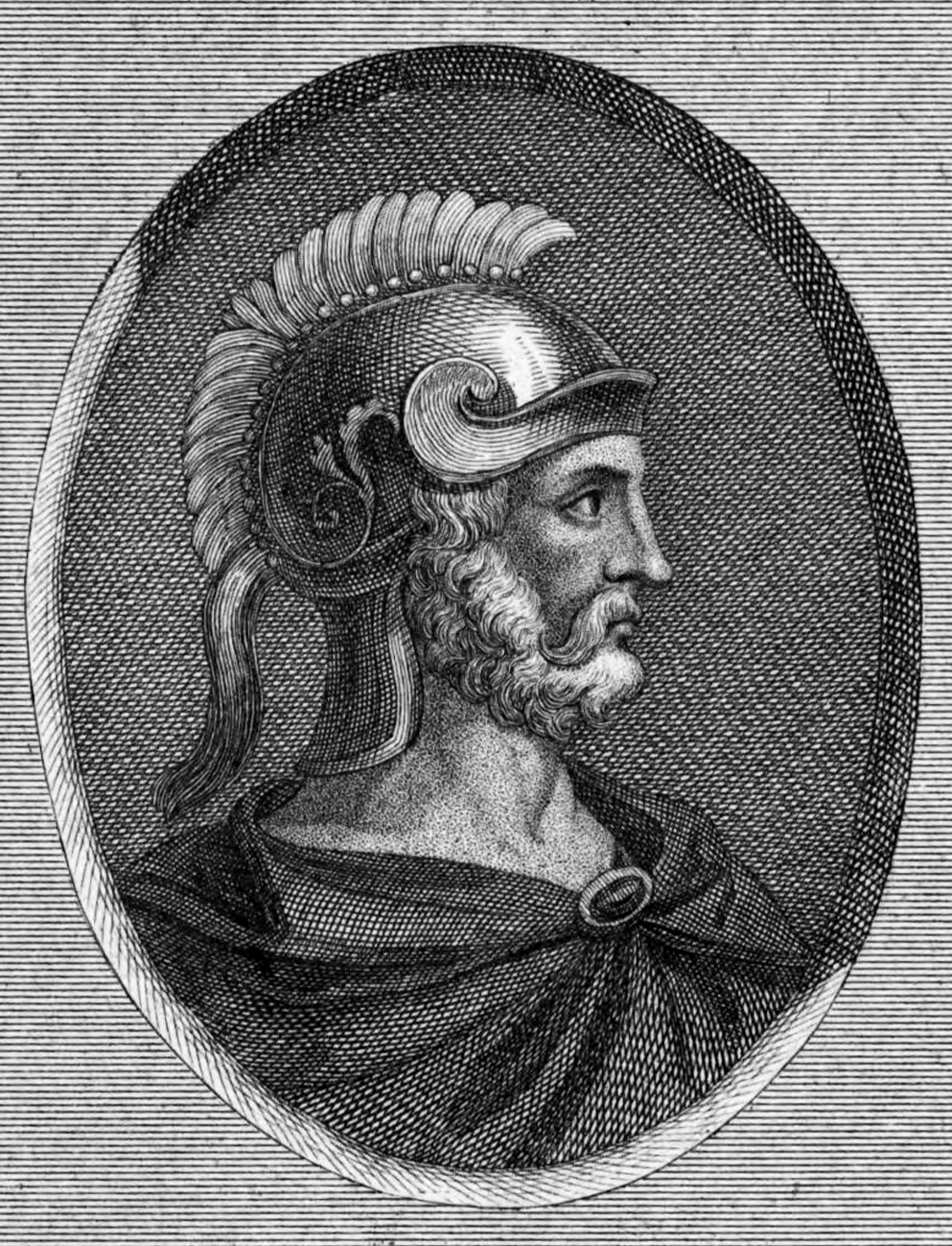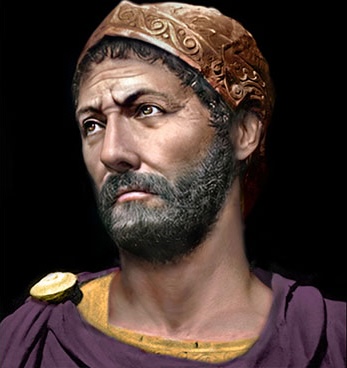

I am on my second read of Eve MacDonald’s Carthage: A New History, and that book, taken together with her Hannibal: A Hellenistic Life, has inspired me to start a special Vini Bellum project. MacDonald’s handling of Hannibal Barca, especially his movement out of Iberia and into Italy, is the piece that did it. Starting soon, I am running a ten-part series that follows Hannibal’s route across the ground that shaped the Second Punic War.
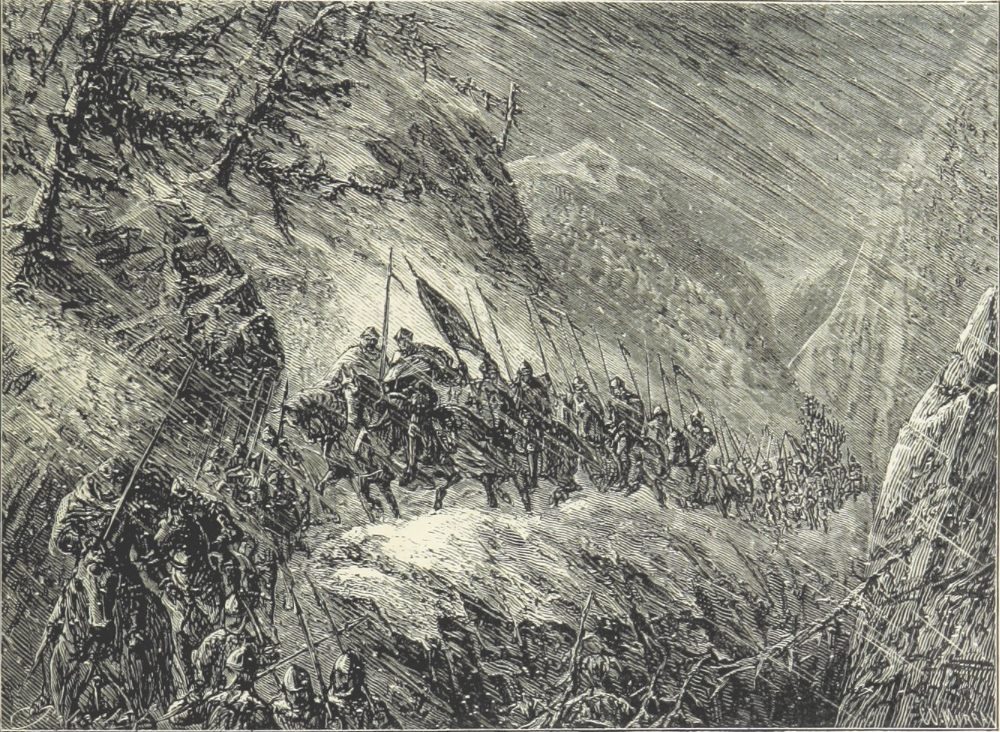
In the spring of 218 BCE, Hannibal set in motion one of the campaigns historians keep arguing about. He took an army out of Carthaginian Iberia, crossed the Ebro, moved through southern Gaul, forced the Rhône, climbed the Alps, and descended into Italy to fight Rome on its own ground. Most readers know him through two or three scenes, usually the elephants in the Alps and the annihilation at Cannae. The actual campaign was longer, less tidy, and much harder to sustain than the legend suggests.
The series follows that campaign in order. It begins in Iberia with the Barcid recovery after the First Punic War and the crisis at Saguntum that again led to war against Rome. From there, it moves north with Hannibal through Catalonia, up the Rhône corridor, over the western Alps, and down onto the plains of the Po. It works through the Italian battles in sequence, turns east when he turned east, and ends not at Cannae but with the long slide into southern Italy, the recall to Africa, and Zama.
Hannibal’s war was not a single theater or a single season. It moved through frontier zones, river crossings, mountain passes, open plains, and cities whose loyalties he could not take for granted. Terrain set the tempo. Supply set the limits. Political geography determined whom he could turn to and whom he could not. Each stage of the campaign sat in a different regional setting, and many of those settings are still there, still farmed, still named.
The series will lean military. Battles will be battles. Trebia, Trasimene, and Cannae get their own posts, and they will be treated seriously. Other posts are about movement rather than combat: leaving Iberia, crossing the Rhône, getting the army over the Alps, pivoting east toward the Adriatic to keep the pressure on Rome without smashing the army against the city’s walls. The later posts shift from triumph to strain, which is where most popular treatments stop paying attention and where the campaign actually gets interesting.
That is the whole project. Ten posts, one campaign, one route, with the wine regions carried alongside rather than crammed in. It starts where Hannibal started, in Iberia, with the Barcids and Saguntum, and it moves forward one stretch of ground at a time.